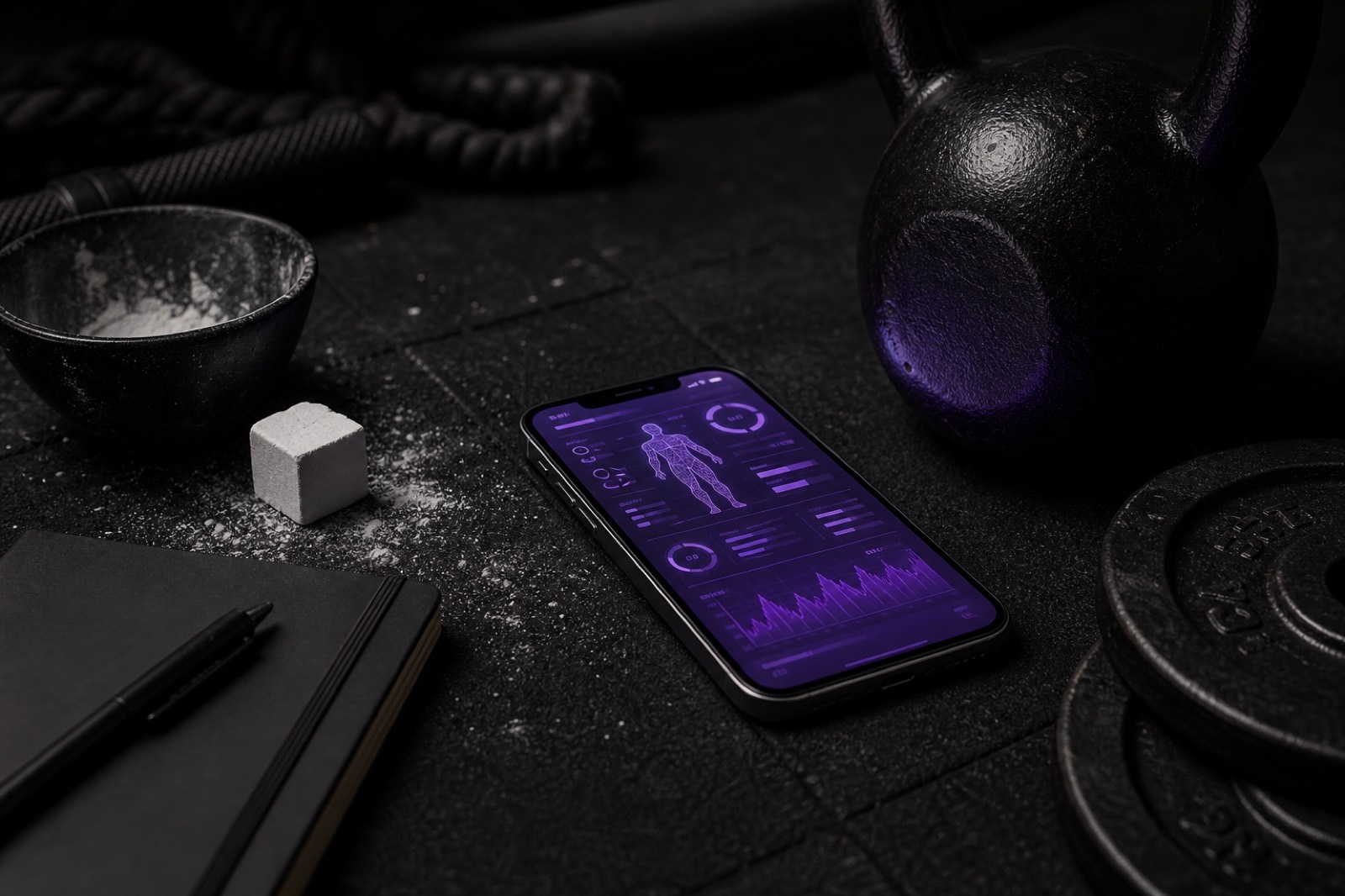
Best Way to Log Workouts: Notebook vs Spreadsheet vs AI
Written by the Perflexity coaching team · Reviewed July 22, 2026
TL;DR
The best workout log is the one you will actually keep. Paper is fast but hard to analyze. Spreadsheets are powerful but slow between sets. Traditional apps are structured but tap-heavy. AI and voice logging (like Perflexity) aim for structured data without the spreadsheet friction — speak a set, get a real session history.
Key takeaways
- A good log captures date, exercises, weight, reps, and sets at minimum.
- The method you stick with beats the “perfect” method you abandon by week three.
- Paper is fast; spreadsheets are powerful; apps are structured; AI/voice aims for both speed and structure.
- Chat notes are not the same as a training database you can reopen and chart.
What a good log must capture
At minimum: date, exercises, weight, reps, and sets. Nice extras: rest notes, RPE, bodyweight, and which variation you used. Without those, progressive overload becomes guesswork.
Notebook
- Pros: zero battery, fast, private.
- Cons: hard to chart, easy to lose, painful to search last month’s bench.
- Best for: lifters who love pen and paper and do not care about graphs.
Spreadsheet
- Pros: total control, great charts if you maintain it.
- Cons: typing between sets kills flow; templates break; mobile editing is fiddly.
- Best for: data nerds who enjoy building systems more than using them mid-workout.
Traditional fitness apps
- Pros: structured exercises, timers, history screens.
- Cons: lots of tapping; custom lifts and ad-hoc sessions can feel clumsy.
- Best for: people who like picking from lists and following fixed programs.
Voice / AI logging (Perflexity)
You speak or type plain English — or snap a gym photo — and the app stores sets as structured training data. That is the difference from a generic chatbot: the result is an openable workout, not a buried conversation.
Use this when you want history, coaching with receipts, and sharing without rebuilding a sheet.
A practical recommendation
If you abandon logs by week three, reduce friction first. Logging method beats “perfect” method. Start with whatever gets every working set written down, then upgrade to something that charts and coaches from that data.
FAQ
Is ChatGPT a workout log?
It can take notes in a chat, but it is not a training database. You usually cannot reopen a clean session detail, chart lift levels, or share a structured workout the way a purpose-built tracker can.
Should I log warm-ups?
Optional. Many lifters only log working sets. If warm-ups help you remember ramp-ups, log them — consistency matters more than purity.
What if I forget to log mid-workout?
Log what you remember as soon as you can — even after the session. Partial history beats a blank week.