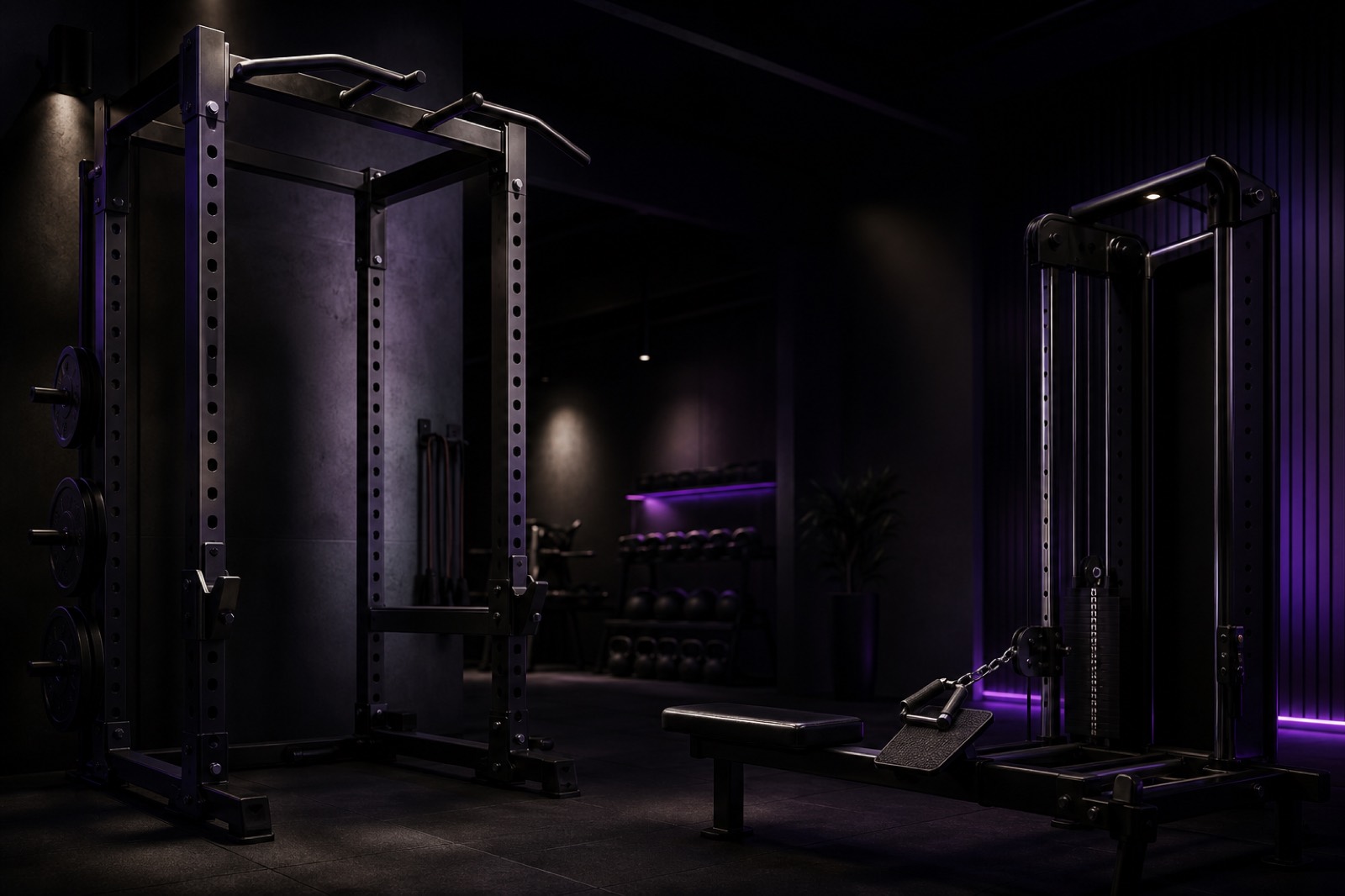
Pull Day Workout for Beginners
Written by the Perflexity coaching team · Reviewed July 22, 2026
Workout
Beginner Pull Day
Pull
1.Lat pulldown or assisted pull-up
Rest 2 min; drive elbows down
3 × 8–12
2.Chest-supported row or seated cable row
Rest 90–120 sec
3 × 8–12
3.One-arm dumbbell row
Per side; rest 60–90 sec
3 × 10–12
4.Face pulls or rear-delt fly
3 × 12–15
5.Dumbbell or cable curls
3 × 10–15
- 1
Open this page
- 2
Tap Open in Perflexity
- 3
Session is in chat, ready to log
App already installed? Share this page to Perflexity. Otherwise the button opens a preview you can save when you get in.
TL;DR
A beginner pull day builds the back and biceps with rows, pulldowns (or assisted pull-ups), and a curl. Aim for 3 sets of 8–12 on big pulls, rest 90–120 seconds, and prioritize a full stretch and controlled pull. If you cannot do a pull-up yet, use lat pulldowns or an assisted machine — that still counts.
Key takeaways
- Pull day trains lats, upper back, rear shoulders, and biceps.
- One vertical pull + one or two rows covers most of what you need.
- No pull-ups yet? Lat pulldowns and assisted reps still build the right strength.
- Pull with your elbows and use a full range you control — not shruggy ego reps.
What is a pull day?
Pull day trains the muscles that pull weight toward you: lats, upper back, rear shoulders, and biceps. It balances a push day and helps posture and shoulder health.
The beginner pull day (45–60 min)
Warm up with band pull-aparts and light scapular hangs or easy pulldowns.
- Lat pulldown or assisted pull-up — 3 sets of 8–12. Rest 2 min. Drive elbows down; avoid yanking with momentum.
- Chest-supported row or seated cable row — 3 sets of 8–12. Rest 90–120 sec.
- One-arm dumbbell row — 3 sets of 10–12 per side. Rest 60–90 sec between sides as needed.
- Face pulls or rear-delt fly — 2–3 sets of 12–15.
- Dumbbell or cable curls — 2–3 sets of 10–15.
No pull-ups yet? Start here
Most beginners cannot do a strict pull-up on day one. That is normal. Lat pulldowns, assisted pull-ups, and negative (slow lowering) reps build the exact strength you need.
See our first-pull-up guide for a full progression. On pull day, just pick one vertical pull you can do for clean sets of 8–12.
Form cues that matter
- Pull with your elbows, not by shrugging your traps to your ears.
- Pause briefly at the hardest part of the row — usually near your torso.
- Use a full range you control. Partial ego reps do not build a back.
- If your lower back rounds hard on bent-over rows, switch to a chest-supported variation.
How to progress
Add weight when you can complete the top of the rep range on all sets with the same form. Small jumps beat big jumps.
Track which grip you used (overhand, neutral, underhand). Consistency makes progressive overload obvious.
FAQ
Should beginners do deadlifts on pull day?
Optional. Many beginners are better off learning a hip hinge with Romanian deadlifts on leg day first, then adding conventional deadlifts later.
How many pull exercises do I need?
Three to five is plenty. One vertical pull, one or two horizontal pulls, then arms or rear delts.
Can I do pull day twice a week?
Yes, if recovery feels good. Leave at least one day between hard pulling sessions, especially if elbows or shoulders feel beat up.